

Top 7 Milestones in Your Child’s First Year: What to Watch For & When to Call Your Pediatrician
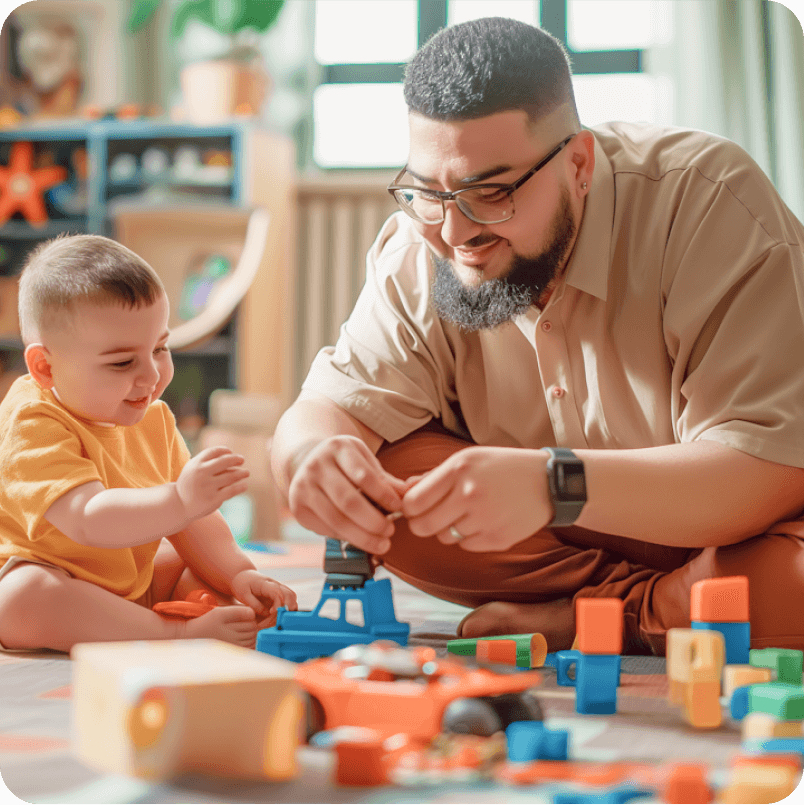
Watching your baby grow in their first year is nothing short of incredible. One day, they’re just figuring out how to focus their eyes, and before you know it, they’re waving goodbye or pulling themselves up to stand. These little moments: First smiles, babbles, and wobbly steps are known as developmental milestones, and they give us a glimpse into how your baby’s brain and body are coming together.
That said, not all babies follow the same timeline, and that’s completely normal. Some roll over early but talk later. Others might skip crawling altogether. As pediatricians, we’re here to help you understand what to expect, what’s worth watching, and when a little extra support might be helpful.
Why Are Child Developmental Milestones Important?
Milestones are the little “checkpoints” most babies reach around certain ages, like smiling, sitting, or saying their first word. They help us track how your baby is growing and learning, showing that their brain and body are working together the way we’d expect.
These moments reflect important developments behind the scenes. For example, when a baby starts babbling, it means their hearing, brain processing, and mouth muscles are all working in sync. When they reach for a toy, it shows curiosity, coordination, and growing motor skills.
Pediatricians use these milestones during regular checkups to spot potential delays early. If something seems off, it doesn’t always mean there’s a problem, but it gives us a chance to dig a little deeper and, if needed, offer extra support sooner rather than later.
Baby Milestones Chart 0-12 Months
Every baby grows at their own pace, but there are some common things most little ones start doing within their first year. Here’s a simple milestone timeline to give you a sense of what to expect and when. If your baby isn’t doing something right on schedule, don’t panic. These are general guidelines, not deadlines.
Remember, this chart is just a general overview. What matters most is progress over time, not perfection in any single moment. If you ever feel unsure, we’re just a phone call away.
7 Must-Know Milestones in the First Year
A lot is happening in your baby’s first year. Behind the scenes, their brain is making new connections at lightning speed, their muscles are getting stronger, and they’re slowly figuring out how to interact with the world.
To help make it easier to follow, we’ve grouped the most critical first-year milestones into seven key categories. Each one tells a different part of your baby’s development, from movement and communication to emotions and sensory awareness.
Let’s take a closer look at what’s going on in each area:
1. Emotional and Social Milestones
At this stage, your baby begins to connect with the people around them, building trust and bonding while showing little signs of personality. These milestones are often the most heart-melting, and they tell us a lot about your baby’s emotional development.
Playing Peekaboo and Waving Bye
These simple games aren’t just fun; they’re how your baby starts to understand social interaction. When they giggle at peekaboo or wave “bye-bye,” they’re showing they can anticipate what’s coming next and that they recognize familiar routines. Most babies start doing this between 9 and 12 months.
Smiling in Response to You
One of the earliest emotional milestones and one of the sweetest. Around 6 to 8 weeks, babies often start to smile when they see a familiar face or hear a familiar voice. It’s a sign they’re beginning to feel safe and bonded with their caregivers.
Showing Stranger Anxiety
Around 8 to 9 months, many babies suddenly become shy or even clingy around new people. It means your baby is learning the difference between familiar and unfamiliar faces, a big step in emotional and social development.
2. Language and Communication Milestones
Long before your baby says their first real word, they’re working hard to figure out how communication works. These milestones show us how their brain, mouths, ears, and emotions are all starting to work together.
Babbling and Making Repetitive Sounds
By around 4 to 6 months, most babies begin making joyful noises: “ba-ba,” “da-da,” “mmm.” This early babbling is their way of experimenting with sounds and learning how back-and-forth conversation feels (even if you’re just chatting about diaper changes).
Responding to Name
Between 6 and 9 months, babies usually start turning toward you when they hear their name. That simple head turn shows that they recognize language, are processing sound, and are connecting meaning to words.
Saying First Words like “Mama” or “Dada”
By 10 to 12 months, some babies begin saying simple words like “mama” or “dada”, usually for the right person, not just randomly. Every baby hits this one at a slightly different time, but when those first words come, it’s a big moment.
3. Cognitive Milestones
Cognitive milestones are all about how your baby learns, solves problems, and makes sense of the world around them. Simple activities like playing peekaboo or hiding toys are great for supporting development during your baby’s first year.
Looking for Hidden Objects
If you’ve ever hidden a toy behind your back and your baby tried to find it, you’ve just seen “object permanence” in action. Around 8–10 months, babies start to understand that just because they can’t see something, it doesn’t mean it’s gone. Try hiding a toy under a blanket and letting them find it. Simple games like this are perfect for supporting cognitive growth.
Pretend Play
By the end of the first year, some babies begin using objects in creative ways, like holding a toy phone to their ear or pretending to feed a stuffed animal. It’s a small but exciting sign that their imagination is kicking in and they’re starting to connect ideas and actions.
4. Gross Motor Milestones
These are the big movements, the ones that help your baby explore their world physically. From rolling to standing, gross motor milestones show how your little one’s muscles, balance, and coordination are coming together.
Rolling Over
Around 4 to 6 months, most babies start to roll from tummy to back and then the other way around. It’s one of the first signs they’re getting strong enough to move on their own. Tummy time during the day helps build the muscles they’ll need for this.
Sitting Without Support
Usually showing up between 6 and 8 months, sitting without help gives babies a whole new view of the world. It also frees up their hands to reach, play, and explore. Every wobbly sit-up is a step toward independence.
Pulling to Stand and Cruising
By 9 to 12 months, many babies begin pulling themselves up on furniture or your leg, then “cruising” along while holding on. It’s an exciting pre-walking stage that shows they’re building strength, balance, and confidence.
5. Fine Motor Milestones
Fine motor skills involve the smaller, more precise movements, especially of the hands and fingers. These little milestones help babies feed themselves, play with toys, and explore textures.
Using the Pincer Grasp to Pick Up Small Objects
Around 9 months, you might notice your baby using their thumb and forefinger to pick up tiny things (like snacks or lint, usually lint). This “pincer grasp” is a big step in hand control and coordination.
Feeding Themselves
By the end of the first year, many babies can grab soft finger foods and try feeding themselves, even if half of it ends up on the floor. It’s messy, but it’s a great way to build independence and fine motor skills.
6. Sensory Milestones
Sensory milestones are about how your baby processes the world through sound, sight, touch, and more. These early responses show that their senses and brain are working together as they take in everything around them.
Reacting to Loud Noises
Most newborns will flinch or startle at sudden loud sounds. Over time, this reaction becomes more purposeful, turning toward a noise or showing curiosity. It’s a basic but important sign of hearing and sensory processing.
Following Moving Objects with Eyes
By 2 to 3 months, babies often begin tracking moving objects, like your face, a toy, or even the dog walking by. Following moving objects with their eyes is a key step in visual development and helps with focus, coordination, and later learning.
7. Self-Regulation and Behavioral Milestones
These milestones show how your baby is beginning to manage their emotions, reactions, and behavior, even in tiny ways. It’s the early foundation of self-soothing and communication.
Calming Down When Comforted
In the first few months, babies start to settle down when you hold, rock, or talk to them. That soothing response shows emotional regulation and a growing bond with their caregivers.
Expressing Discomfort or Frustration
Crying, fussing, and turning away are normal ways babies communicate that something’s off. As they grow, they’ll get better at showing how they feel and what they need, even before they can talk.
Developmental Red Flags in Your Baby’s First Year
It’s totally normal for babies to hit milestones at slightly different times, but some signs may point to a developmental delay. Catching these early can make a big difference, which is why regular checkups and open conversations with your pediatrician matter so much.
Here are some specific red flags to look out for in your baby’s first 12 months. If you notice one or more of these, it doesn’t always mean something is wrong, but it’s a good reason to check in with your pediatrician.
By 2–3 Months:
- Doesn’t respond to loud sounds
- Doesn’t smile at people
- Has trouble moving both eyes in the same direction
- Doesn’t watch things as they move
By 4–6 Months:
- Doesn’t push up when lying on the tummy
- Has very stiff or very floppy muscles
- Doesn’t reach for toys
- No vocal sounds like cooing or babbling
By 7–9 Months:
- Can’t sit without support
- Doesn’t show interest in people or toys
- Doesn’t respond to their name
- Doesn’t babble (e.g., “ba-ba,” “da-da”)
By 10–12 Months:
- Can’t stand even with support
- Doesn’t use gestures (waving, pointing)
- No single words (like “mama” or “dada”)
- Doesn’t look for things you hide (no object permanence)
- Shows no back-and-forth sharing (no peekaboo, no imitation)
When in Doubt, Reach Out
You don’t need to wait for a checkup if something doesn’t feel right. Parents know their babies best. If you ever have a gut feeling that something’s off, whether it’s movement, communication, or behavior, call your pediatrician. We’re here to help with early screening, support, and, if needed, next steps for early intervention.
Conclusion: Every Baby Develops at Their Own Pace
It’s easy to get caught up in comparing your baby to others, especially when friends’ little ones are crawling earlier or saying more words. But the truth is, development isn’t a race. Some babies walk before they talk. Others talk before they walk. Every child has their own timeline, and that’s perfectly okay.
What matters most is steady progress and connection. Keep an eye on milestones, but also trust your instincts. You’re the expert on your baby. And if anything ever feels off, your pediatrician is here to listen, guide, and support you every step of the way.
Frequently Asked Questions About Milestones in Your Child
What are the top 3 developmental concerns?
The most common developmental disabilities in children are:
- Autism Spectrum Disorder (ASD): Affects communication, behavior, and social interaction.
- Cerebral Palsy (CP): A group of disorders that affect movement, muscle tone, and posture.
- Intellectual Disability (ID): Limits a child’s learning, reasoning, and problem-solving skills.
Developmental screenings in early childhood can identify these conditions, which may vary in severity.
What is cognitive development in a 5-year-old?
By age 5, most children show clear signs of cognitive development, including:
- Following multi-step directions
- Counting and recognizing numbers
- Understanding time concepts like “today” or “next.”
- Engaging in imaginative play
- Asking lots of “why” and “how” questions
It’s a stage where their memory, attention span, and problem-solving skills really start to take off.
What are the five stages of developmental age?
The five general stages of child development are:
- Infancy (0–1 year) – Rapid growth, basic motor and sensory skills
- Toddlerhood (1–3 years) – Walking, early language, independence
- Early Childhood (3–6 years) – Social skills, imagination, emotional development
- Middle Childhood (6–12 years) – Logical thinking, academic learning, self-awareness
- Adolescence (12–18 years) – Identity building, emotional maturity, abstract thinking
Each stage brings new challenges and milestones unique to that phase of growth.
Let’s Track Your Baby’s Growth Together
Keeping up with milestones doesn’t have to feel overwhelming. At Ollie Pediatrics, we’re here to walk with you through the first smile, first step, and everything in between. Whether you have questions, concerns, or just want reassurance, we’re here to help you make sure your little one is right on track.